

Outdoor sports offer so many benefits, from improving physical fitness and supporting mental health. It also provides opportunities for connection with nature, potential reduction in stress, exercising or performing in better air quality and vitamin D exposure. Whether you are running, cycling, climbing, paddling, skiing or playing team sports, spending time outdoors in these and many sports is inevitible.
However, the outdoors also presents challenges that are often ignored, lack awareness or just don’t get identified until it’s too late. It’s is really important to prioritise safety to protect your health and wellbeing and consider areas of risk when outdoors. Sun exposure, dehydration, heat illness, hypothermia, ticks, changing weather conditions and remote locations can all affect both safety and performance if they are not properly managed.
The good news is that many of these risks can be reduced through preparation, awareness and a few simple habits. Understanding how to protect yourself in different environments allows you to focus on enjoying your sport while reducing the likelihood of illness, injury or unnecessary setbacks.
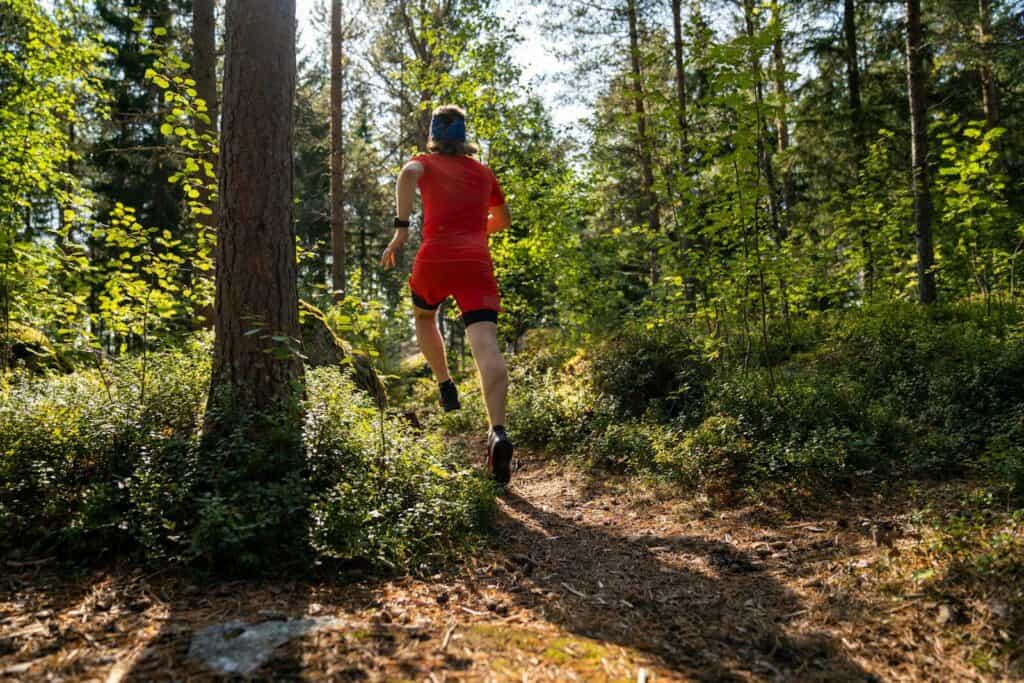
In this guide, we’ll explore some of the most common outdoor safety considerations for athletes, including sun protection, hydration, tick awareness, first aid, temperature related illnesses and eye protection, helping you stay safe, healthy and prepared wherever your sport takes you.
Importance of Staying Safe in the Outdoors for Health and Wellbeing
Participating in outdoor sports exposes athletes to various environmental elements, making safety precautions vital. The benefits of outdoor activities include improved cardiovascular health, increased vitamin D levels, and reduced stress. However, without proper safety measures, these activities can lead to many health issues. Prioritising safety not only enhances performance but also ensures long-term health and wellbeing.
Understanding Environmental Conditions
A lot of athletes prepare for the activity itself but underestimate how quickly environmental conditions can change. Weather forecasts should be checked before heading outdoors, but athletes should also be prepared for conditions to change during their session.
Factors to consider include:
- Temperature changes
- Wind speed
- Rainfall
- Storms
- Water conditions
- Reduced visibility
- Daylight hours
Carrying appropriate clothing, understanding the route and having a backup plan can help reduce risk if conditions deteriorate unexpectedly. Essentially do your research on the area (especially if its new or different to normal).
Sun Protection for Athletes
Sun protection is paramount for anyone spending extended periods outdoors. Prolonged exposure to ultraviolet (UV) rays can cause sunburn, premature ageing, and increase the risk of skin cancer. Here are key sun protection tips for athletes and sports practitioners:
- Use Broad-Spectrum Sunscreen: Apply a broad-spectrum sunscreen with an SPF of at least 30. Reapply every two hours and immediately after swimming or excessive sweating.
- Wear Protective Clothing: Opt for long-sleeved shirts, trousers, and wide-brimmed hats. Look for clothing with a UPF (Ultraviolet Protection Factor) rating for added protection.
- Seek Shade: Whenever possible, take breaks in shaded areas, especially during peak sun hours (10 AM to 4 PM).
Wildlife and Natural Hazards
Most outdoor environments are safe to enjoy, but athletes should remain aware of potential hazards from wildlife and plants. When athletes are outside, they should avoid touching plants they cannot identify, give wildlife plenty of space and be aware of local guidance when training in unfamiliar environments.
Tick Safety for Outdoor Athletes
Ticks are a significant concern for outdoor enthusiasts, as they can transmit diseases such as Lyme disease. They are common in most outdoor environments and not limited to one country or continent, therefore we wanted to include this here and share some of the best ways to reduce your exposure and prevent tick bites.

- Wear Appropriate Clothing: Wear long sleeves and trousers, tucking trousers into socks to prevent ticks from reaching your skin.
- Use Tick Repellent: Apply insect repellent containing at least 20% DEET on exposed skin and clothing.
- Perform Tick Checks: After outdoor activities, thoroughly check your body for ticks, paying close attention to areas like the scalp, armpits, and groin.
First Aid Kits for Remote Areas
When heading into remote areas, having a well-stocked first aid kit is essential. Your kit should include:
- Bandages and Gauze: For treating cuts and scrapes.
- Antiseptic Wipes and Creams: To clean wounds and prevent infection.
- Tweezers and Scissors: Useful for removing splinters and cutting bandages.
- Pain Relievers: Such as ibuprofen or paracetamol.
- Emergency Blanket: To provide warmth and prevent hypothermia.
- Basic Medical Supplies: Include items like adhesive tape, gloves, and a CPR face shield.
How to Prevent Hypothermia During Outdoor
Hypothermia occurs when your body loses heat faster than it can produce it, leading to a dangerously low body temperature. To avoid hypothermia:
- Dress in Layers: Wear multiple layers of clothing to trap heat. Choose moisture-wicking fabrics to keep sweat away from your skin.
- Stay Dry: Wet clothing accelerates heat loss. Keep yourself dry by wearing waterproof gear and changing out of wet clothes promptly.
- Consume Warm Foods and Drinks: Hot beverages and meals help maintain body temperature.
How to Prevent Heat Illness when outdoors
Hyperthermia, or overheating, can be just as dangerous as hypothermia. To prevent hyperthermia:
- Stay Hydrated: Drink plenty of water before, during, and after physical activity. Avoid caffeine and alcohol, as they can dehydrate you.
- Take Regular Breaks: Rest in shaded or cool areas to allow your body to cool down.
- Wear Light Clothing: Choose lightweight, breathable fabrics to help dissipate heat.
Eye Protection for Outdoor Sports
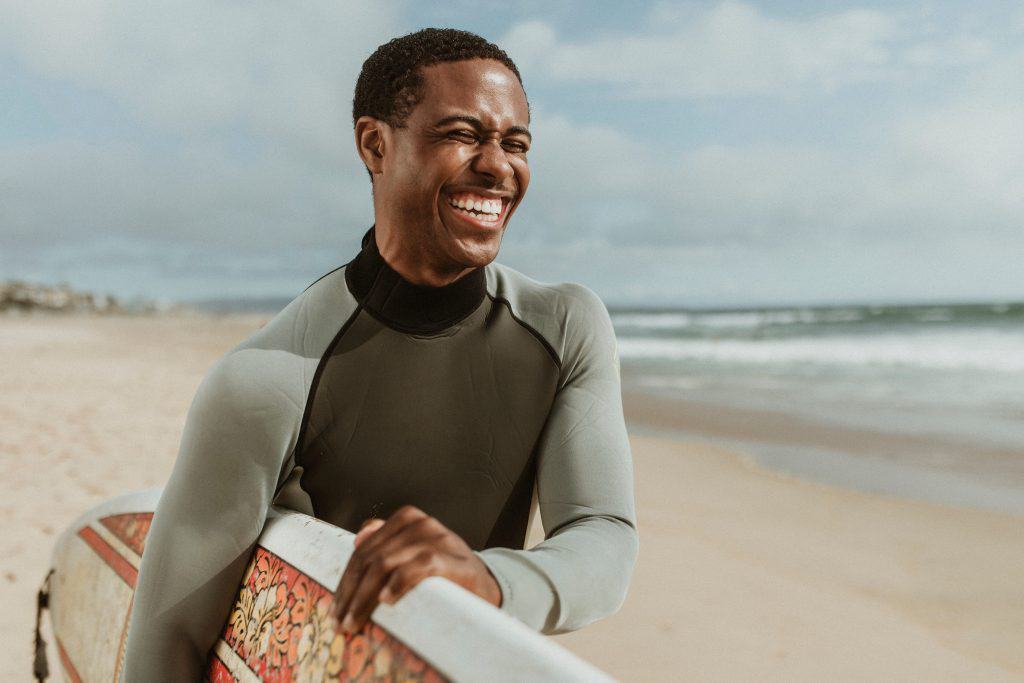
Good quality polarised eyewear is essential for protecting your eyes from harmful UV rays and enhancing visual clarity. Here’s why eye protection matters:
- Reduces Glare: Polarised lenses reduce glare from surfaces like water and roads, improving visibility.
- Prevents Eye Strain: High-quality eyewear can reduce eye strain and fatigue.
- Protects Against UV Rays: UV exposure can lead to cataracts and other eye conditions. Ensure your sunglasses offer 100% UV protection.
Let Someone Know Your Plans
If you’re training in remote areas, particularly alone, tell someone:
- Where you’re going
- Your planned route
- Expected return time
For longer activities, consider carrying:
- A fully charged phone
- Portable power bank
- Emergency whistle
- Map and compass
- Personal locator beacon where appropriate
This is one of the simplest and most effective outdoor safety measures available.
Additional Safety Tips for Outdoors
Apart from the primary concerns mentioned, consider these additional safety measures for competing outdoors:
- Footwear: Wear appropriate shoes with good grip and ankle support to prevent injuries.
- Hydration Packs: Use hydration packs for hands-free access to water during long activities.
- Buddy System: Always have a partner when exploring remote areas. It’s safer and more enjoyable.
- Inform Others: Always let someone know your planned route and estimated return time. This can be crucial in case of emergencies.
Safety Tips for Spectators at Outdoor Sports Events
Even if you’re just watching outdoor sports events, staying safe is important:
- Stay Hydrated: Bring plenty of water and avoid alcohol, which can dehydrate you.
- Wear Sun Protection: Use sunscreen, hats, and sunglasses to protect against sunburn.
- Be Aware of Weather Conditions: Dress appropriately for the weather and be prepared for sudden changes.
- Know Your Limits: If you feel unwell or overly tired, take a break and seek shade or shelter.
Frequently Asked Questions (FAQ’s)
What should I do if I get a sunburn?
If you get a sunburn, immediately get out of the sun and apply a cool compress to the affected area. Use aloe vera or over-the-counter sunburn relief creams to soothe the skin. Stay hydrated and avoid further sun exposure until the burn heals.
How can I remove a tick safely?
Use fine-tipped tweezers to grasp the tick as close to the skin’s surface as possible. Pull upward with steady, even pressure. After removing the tick, clean the bite area and your hands with rubbing alcohol or soap and water.
What should be in a first aid kit for outdoor sports?
A first aid kit for outdoor sports should include bandages, gauze, antiseptic wipes, tweezers, scissors, pain relievers, an emergency blanket, and basic medical supplies like adhesive tape and gloves.
How do I prevent dehydration during outdoor sports?
To prevent dehydration, drink plenty of water before, during, and after activities. Carry a water bottle or use a hydration pack, and avoid drinks with caffeine or alcohol.
What are the signs of hypothermia?
Signs of hypothermia include shivering, slurred speech, slow breathing, and loss of coordination. If you suspect hypothermia, seek shelter, remove wet clothing, and warm the body gradually.
Conclusion
Staying safe in the outdoors while taking part in sports is essential for preserving your health and enhancing your performance. By following these safety tips—covering sun protection, tick prevention, first aid, and more—you can enjoy the benefits of outdoor activities without compromising your wellbeing. Remember, preparation and awareness are key to a safe and enjoyable experience in the great outdoors.
Incorporate these safety measures into your outdoor sports routine to protect yourself and maximise the benefits of your activities. Stay safe, stay healthy, and enjoy the beauty and challenges that outdoor sports have to offer!